




A, B, C, D
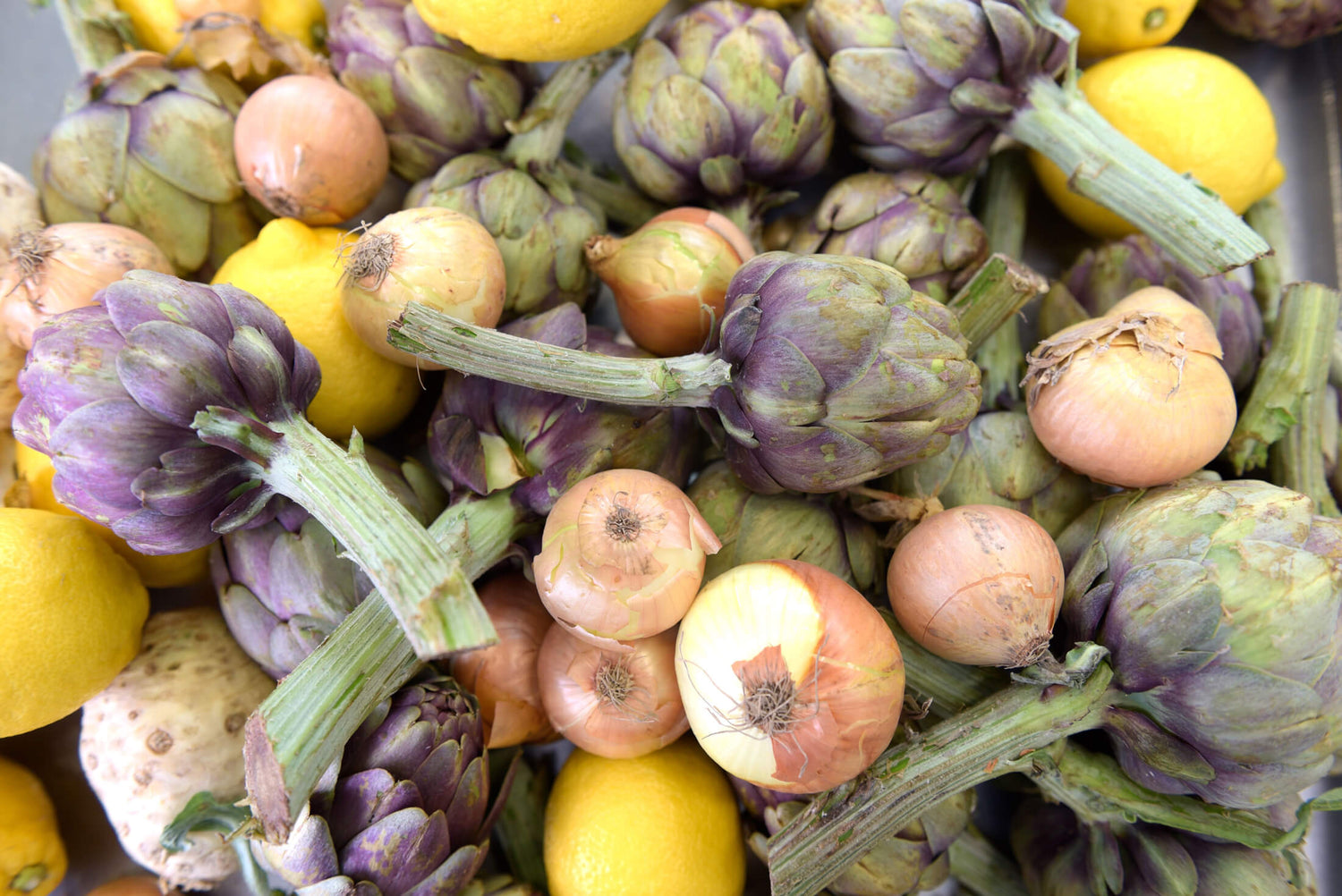
Artichoke extract
What is it?
The artichoke is an ancient medicinal plant that belongs to the daisy family (Asteraceae). Artichoke extract is a proven remedy that can be used for a variety of purposes. This is due to its high content of flavonoids and bitter substances.
Natural occurrence
The artichoke is a non-hardy plant that originated in North Africa. Today, it is cultivated in the Mediterranean region and Central Europe. When cooked, the flowers and bracts of the artichoke are considered a delicacy. However, they are not as therapeutically effective as artichoke leaf extract, as cooking renders a large part of the ingredients inactive. The cooked parts of the plant do, however, have a high content of soluble dietary fiber, which is why artichokes also support weight loss.
What does the nutrient do/why is it important?
Artichoke extract is a versatile remedy. It helps with digestive problems and nervous stomachs, has antispasmodic properties, improves bile flow, promotes pancreatic function, and is a good alternative to cholesterol-lowering medication. Artichokes regulate blood sugar levels, protect the liver, help with detoxification and weight loss, have an antioxidant effect, and can provide support in the treatment of tumors.
What should you look out for when taking it?
Anyone who is allergic to plants in the daisy family may also be hypersensitive to taking artichoke. Very rarely, mild diarrhea, upper abdominal discomfort, nausea, and heartburn may occur. Artichoke leaves should not be taken if there is a bile duct obstruction or gallstones. As there are no relevant studies on safety, pregnant and breastfeeding women as well as children under twelve should refrain from using artichoke preparations. Artichokes are among the low-histamine vegetables.
Astragalus membranaceus
What is it?
Astragalus membranaceus belongs to the legume family and the subfamily of papilionaceous plants. In German, it is referred to as tragacanth root (Tragantwurzel). The roots of the Astragalus plant have been used for centuries in combination with other herbs as part of Traditional Chinese Medicine (TCM). Natural occurrence: Astragalus membranaceus is perennial and prefers to grow on dry sandy soils, in steppes, meadows, and coniferous forests. It is native to China, Mongolia, and Korea. Today, the plant grows across almost the entire Northern Hemisphere.
What does the nutrient do/why is it important?
Astragalus membranaceus is primarily used to prevent colds, recurring infections, hay fever, and allergies. Astragalus contains high levels of flavonoids, saponins, amino acids, polysaccharides, as well as vitamins, minerals, and trace elements. All these highly effective substances strengthen the immune system, activate the body's phagocytes, have an anti-inflammatory effect, and positively influence excessive allergic reactions. The extraordinary thing about this plant is its ability to lengthen telomeres, thereby turning back our biological clock. Telomeres are protective caps at the ends of chromosomes that shorten with every cell division. When telomeres become too short, our cells can no longer multiply, tissue dies off, and life draws to a close more quickly.
What should you consider when taking it?
Most people tolerate Astragalus well. In rare cases, however, participants in studies on Astragalus have developed mild side effects such as rashes, headaches, fatigue, itching, a runny nose, nausea, and diarrhea. There is insufficient research available to state whether the use of Astragalus is safe for pregnant and breastfeeding women or children. If Astragalus increases the activity of the immune system, it could be a problem for people with an autoimmune disease such as lupus, rheumatoid arthritis, or multiple sclerosis.
Bitter melon extract
What is it?
Bitter melon, or bitter gourd, is a tropical plant species that belongs to the gourd family. For many centuries, the fruits of this plant have been prized in Asia as both a food source and a medicinal plant.
Natural Occurrence
The countries of origin for bitter melon are China and India. It is now also cultivated as a crop in Africa, parts of Asia, Europe, the Caribbean, and South America.
What does the nutrient do/why is it important?
Bitter melons are considered very healthy because they contain an unusually high amount of vitamin C and iron for a member of the gourd family. They also contain significant amounts of calcium, carotene, riboflavin (vitamin B2), and vitamin A. In general, the proportion of proteins, minerals, and carbohydrates in bitter melon is very high. The fruit contains the medicinally active components triterpene glycosides. These substances are administered to protect blood vessels. The bitter substance in bitter melon is said to have a positive effect on the mucous membranes of the digestive system. Unripe fruits are used in Ayurvedic medicine, in particular, for type 2 diabetes. In addition, it is said to be helpful for kidney stones, fever, stomach ulcers, and worm infestations.
What should be kept in mind when taking it?
So far, there are only a few clinical studies that prove the positive effects of bitter melon. Overdosing can lead to stomach pain, abdominal pain, or diarrhea. Pregnant women are advised against using it.
Cholecalciferol (Vitamin D)
See Vitamin D
Choline
What is it?
Choline is a micronutrient that fulfills several important functions in our body. In the past, this substance was also referred to as vitamin B4, as it has similarities to the B-vitamin group. It is the precursor to the neurotransmitter acetylcholine, which plays an important role in the generation of feelings of happiness.
Natural occurrence
Foods rich in choline include nuts, seeds, whole grains, and legumes; fish, meat, and liver also contain a lot of choline, but are only a second choice for improving memory performance due to their difficult digestibility. Eggs provide the highest proportion of choline here.
What does the nutrient do/why is it important?
The effect of choline is not limited to a single property in the body, but is very broad. It contributes to the growth of nerve pathways and helps in building and strengthening cell membranes. In addition, choline increases memory performance and liver capacity. It supports communication between cells and regulates blood pressure. Pregnant women in particular should consume it, as it ensures that the nerves and brain of the fetus can be developed during pregnancy by supplying the fetus with choline via the mother's blood.
Men with a slightly elevated homocysteine concentration can lower the concentration of homocysteine in the plasma with a high daily dose of choline. High concentrations of homocysteine can promote cardiovascular diseases, so the intake of choline can prevent such diseases.
What should be considered when taking it?
Choline is not harmful to our body. However, very high amounts can cause a fishy body odor, vomiting, salivation, and increased sweating. It can also lead to a drop in blood pressure, which can result in dizziness. However, long-term intake of choline can also be harmful to humans. It can lead to liver damage instead of supporting its function.
Chrome
What is it?
Chromium is an essential trace element that has a major influence on numerous body functions and activities. Trace elements are mineral salts that are present in the body in only very small amounts.
Natural occurrence
We generally ingest chromium through food, in which it occurs naturally in fruits, meat, vegetables, grains, and yeast. Good sources are whole grain products, nuts, lentils, asparagus, wheat germ, beans, cocoa, and meat products.
What does the nutrient do/why is it important?
Chromium improves insulin function and influences the metabolism of carbohydrates, proteins, and fats. It is believed to support weight loss and improve blood sugar control. This mainly affects people suffering from diabetes mellitus. A deficiency in chromium can cause heart disease, metabolic disorders, and diabetes.
What should be considered when taking it?
Chromium is likely safe and harmless for most adults when used appropriately. Overdosing can lead to side effects such as skin irritation, headaches, dizziness, nausea, and changes in mood as well as impaired thinking.
Cranberry extract
What is it?
In Germany, the cranberry is also known as the large cranberry, craneberry, or marsh berry. It can also be found here under the name "cultivated cowberry." The cranberry belongs to the heather family and is related to the lingonberry.
Natural occurrence
Cranberries are native to North America. Native Americans used these valuable fruits to stay healthy due to their antioxidant effects, and the first European settlers also enjoyed collecting the wild berries around 1600. Today, cranberry fruits are produced industrially on large plantations in the USA and Canada. In the meantime, this healthy berry is also being cultivated in Germany and the Netherlands.
What does the nutrient do/why is it important?
Cranberries can protect the cardiovascular system and the urinary tract from diseases such as kidney and bladder infections. They are rich in vitamins A, B, and C as well as the minerals calcium, potassium, magnesium, and phosphate. They have antibacterial and cortisone-like effects and reduce inflammation levels in the body.
What should one watch out for when taking it?
Side effects are not yet known for either cranberries or cranberry products. However, caution is advised when taking anticoagulant medication, as their active ingredients have blood-thinning properties and could therefore potentially trigger interactions.
E, F, G, H
Folic acid (vitamin B9)
What is it?
Folic acid is a water-soluble vitamin and belongs to the B-vitamin family. It is necessary for cell division and the formation of new cells. Since new cells are constantly being formed in the human body, it is essential from the very beginning of life.
Natural occurrence
Folic acid exists in both animal and plant-based foods. In animals, however, it is bound to a compound that the body can only utilize to a limited extent. Therefore, plant-based food is the first choice for providing folic acid. Folic acid is found particularly in raw, green vegetables, but also in legumes and many types of grain.
What does the nutrient do/why is it important?
Folic acid promotes the production of the hormone noradrenaline. This hormone is the extended arm of our attitude towards life. In positive-minded people, it provides balance, inner peace, and contentment. In negative-minded people, it leads to aggression, annoyance, and anger. Folic acid is involved in the production of numerous enzymes and thus in many bodily functions. Together with cobalamin (vitamin B12), it helps in the growth and division of red and white blood cells. In addition, it sensitizes the body to the production of antibodies, which supports the immune system. Pregnant women or women who wish to become pregnant have a particularly high requirement for folic acid. Folic acid is also particularly important for memory, vitality, and blood formation, and it improves the utilization of dietary proteins.
What should be considered when taking it?
Several studies have shown that anyone who consumes significantly too much folic acid over a long period can cause themselves harm. Sleep disorders, depression, and gastrointestinal problems can be potential consequences. However, too much folic acid can also be harmful to the unborn child.
Ginseng extract
What is it?
Ginseng is one of the most famous medicinal plants in Asian medicine. Both the name Panax (pan = everything; akos = remedy) and the various German terms for it demonstrate the high regard in which it is held: universal remedy, strength root, life-prolonging root.
Natural occurrence
Ginseng is native to East Asian mountain regions and is cultivated in Northern China, Japan, and Korea. Korean ginseng is of the highest quality. Since the 1980s, it has even been grown in the Lüneburg Heath in Germany and, since 1999, in the Waldviertel region of Austria.
What does the nutrient do/why is it important?
The main active ingredients in ginseng roots are known as ginsenosides. Other components include essential oils, polyacetylenes, phenol carboxylic acids, and polysaccharides. Together, these result in an anti-inflammatory and antioxidant effect of the ginseng roots. Furthermore, the medicinal plant is said to increase resilience against harmful factors (noxae), such as chemical pollutants. Ginseng provides support for rheumatic pain, nerve pain, joint complaints, glandular weakness, and weaknesses of the reproductive organs. In addition, it also helps with declining mental and physical performance as well as during the recovery phase (convalescence). It is also said to be beneficial for respiratory diseases, cardiovascular diseases, depression, anxiety disorders, and hot flashes during menopause. Furthermore, it is said to slow down the aging process.
What should you pay attention to when taking it?
Pregnant women, nursing mothers, and children should not use ginseng, as it has an estrogen-like effect. Isolated reports exist of serious side effects such as asthma attacks, high blood pressure, racing heart, or the risk of heart rhythm disorders and uterine bleeding in postmenopausal women.
Short-term use of ginseng in the recommended dosage is generally considered safe.
Glucosamine HCl
What is it?
Glucosamine is an amino sugar that occurs naturally in the human body. Glucosamine HCL is extracted from the shells of crustaceans. This product is used in both human dietary supplements and animal feed.
Natural occurrence
Glucosamine occurs naturally in the human body. It is a component of connective tissue, cartilage, and synovial fluid. For use in dietary supplements, glucosamine is primarily obtained from crustaceans. The compound glucosamine sulfate is most commonly used for this purpose.
What does the nutrient do/why is it important?
Whether for pain from osteoarthritis, inflammation, or joint and back pain - the applications for glucosamine are diverse: it has cartilage-building, anti-inflammatory, and analgesic properties. Therefore, its main area of application is the treatment of joint diseases such as osteoarthritis. Glucosamine inhibits enzymes that can destroy cartilage. At the same time, the active ingredient stimulates the formation of new cartilage substance. Furthermore, the amino sugar helps break down pro-inflammatory substances.
What should one keep in mind when taking it?
Taking glucosamine poses health risks for individuals suffering from diabetes mellitus. Glucosamine can be a problem for people with a shellfish allergy. There are interactions with medications, especially certain anticoagulants. Common side effects include itching and mild digestive problems such as heartburn, diarrhea, vomiting, and nausea. Other side effects include fatigue, headaches, sleep disorders, sensitivity to sunlight, and nail changes.
Glucuronolactone
What is it?
Glucuronolactone is a carbohydrate and a metabolic product that can be produced by the body from glucose. Glucuronolactone, via glucuronic acid, is also assumed to have an antioxidant and detoxification-promoting effect.
Natural occurrence
Glucuronolactone occurs naturally in the human body as an important structural component of connective tissues. It is a natural metabolic product and is formed through the breakdown of sugar. Glucuronolactone also holds an important status in the plant kingdom.
What does the nutrient do/why is it important?
Glucuronolactone is a carbohydrate and a substance produced by the body. It is an ester of glucuronic acid, which is involved in detoxification processes in the human body and supports the breakdown of the body's own waste products. Glucuronolactone, via glucuronic acid, is also assumed to have an antioxidant and detoxification-promoting effect. Beyond the wake-sleep state, the highly complex brain must fulfill and regulate a multitude of other cognitive functions.
What should one pay attention to when taking it?
In healthy individuals and with simultaneous adherence to the permitted daily dose specified by the manufacturers, no particular side effects are known.
Pomegranate
What is it?
The pomegranate is also known as "Punica granatum" and belongs to the Lythraceae family. The pomegranate is not related to apples, even though its name might suggest otherwise. Only its round shape is slightly reminiscent of large apples with a small crown at the bottom.
Natural occurrence
It is not clear where the pomegranate originated. Its origin is believed to be in Western to Central Asia, but over the years the fruits have traveled a long way. Today, they are grown in Egypt, China, India, Iran, Israel, Italy, Spain, Turkey, and Tunisia, among others. The pomegranate thrives in tropical and subtropical climates. It grows on evergreen trees, which are also cultivated as shrubs and are native to warm regions.
What does the nutrient do/why is it important?
Pomegranate is exceptionally healthy. It is particularly rich in secondary plant compounds, which are attributed with high antioxidant properties. They are thought to protect cells from free radicals and thus prevent cell damage and cell aging. Pomegranate contains, among other things, minerals such as calcium, potassium, and magnesium, which are important for the heart, nerves, and muscles. In addition, there is plenty of vitamin C, B vitamins, iron, and zinc. Besides its antioxidant and anti-inflammatory effects, the pomegranate is also said to have anti-cancer properties. Furthermore, it is believed to lower blood pressure, protect the heart and circulatory system, and help with arthritis.
What should be considered when taking it?
Pomegranate extract is considered very well-tolerated and has been consumed for centuries. It is possible that concentrated pomegranate ingredients could alter the effect of medications. There have been no comprehensive studies to date, but the effects are considered to be rather low.
Raspberry extract
What is it?
Raspberry extract is also referred to as raspberry ketones. It is a natural extract from red raspberries, which is very popular among athletes for weight loss due to its metabolism-stimulating function.
Natural occurrence
All raspberry varieties originate from the wild raspberry, which grows on forest edges and in forest clearings. The plants prefer sunny, sheltered locations with loose, humus-rich soil. The raspberry is native to Europe and Asia.
What does the nutrient do/why is it important?
Raspberry extract is said to increase the production of adiponectin and thus lead to weight loss. Adiponectin is a hormone produced in fat cells. Together with other hormones, it regulates food intake by suppressing hunger and enhancing the effect of insulin on fat cells. Overweight individuals have low levels of adiponectin. Taking raspberry extract over several weeks is said to have a significant influence on numerous markers of vascular health. Accordingly, the risk of cardiovascular diseases could be lowered, which is particularly interesting for risk groups such as patients with metabolic syndrome.
What should you watch out for when taking it?
Little is known so far about the potential side effects of raspberry extract. It is known that in excessive amounts, capsaicin can cause nausea, vomiting, and high blood pressure.
Hintonia extract
What is it?
Hintonia latiflora is a plant species within the madder family (Rubiaceae). The plant grows as a shrub or tree up to a height of 5 meters.
Natural Occurrence
Hintonia latiflora grows in tropical, seasonally dry deciduous or thorn forests - mainly in Central and South America, particularly in Mexico and Guatemala.
What does the nutrient do/why is it important?
Hintonia extract can be used to reduce fever, as a tonic, and as an antidiabetic agent. It contains glycosides, flavonoids, the neoflavonoid coutareagenin, quercetin, mannitol, and phenolic acids. As a result, it is said to have blood sugar-lowering and fever-reducing properties, as well as antimicrobial effects. The bark is said to have protective effects on the vascular system.
What should you look out for when taking it?
Based on its traditional use in Central America and Europe, it has long been known to be well-tolerated with few side effects.
Hyaluronic acid
What is it?
Hyaluronic acid is a polysaccharide that is found almost everywhere in the human body. It is found in larger quantities primarily in the skin, bones, cartilage, joint fluid, and the vitreous body of the eye.
Natural occurrence
Hyaluronic acid is a carbohydrate and a mucopolysaccharide found throughout the body. The function of hyaluronic acid is to bind water and keep the moving parts of the body mobile – such as joints and muscles. It belongs to the hydrophilic molecules in nature, which means "water-loving." We find hyaluronic acid in almost every body cell, as well as in bones, cartilage, tendons, ligaments, connective tissue, scalp, hair follicles, lips, eyes, and in the synovial fluid of the joints. It is also located everywhere between individual body cells and supplies tissues and structures with nutrients wherever blood vessels do not reach.
What does the nutrient do/why is it important?
Hyaluronic acid can be applied externally as well as taken orally. It binds water, inhibits inflammation, has a positive effect on wound healing, and also has smoothing properties for the skin. In the area of the skin, hyaluronic acid ensures the elasticity and firmness of the connective tissue. Its natural proportion in the body decreases with age. This loss can be artificially replaced by certain preparations.
What should you pay attention to when taking it?
Side effects of hyaluronic acid are largely unknown, as the substance occurs naturally in the human body. In rare cases, skin intolerance reactions or infections after an injection may occur.
I, J, K, L
Ginger extract
What is it?
Ginger is one of the oldest spices in the world. In Ayurveda and Traditional Chinese Medicine, it has been considered a remedy that warms the body from the inside for centuries. In addition, ginger is attributed with an energy-reducing and calming effect.
Natural occurrence
Ginger prefers to grow in tropical and subtropical regions such as India, Indonesia, China, and South America. Peru, in particular, has specialized in the cultivation of organic ginger. In the meantime, however, this superfood is also being grown in Germany. The ginger plant is also known by the names ginger root or simply ginger.
What does the nutrient do/why is it important?
Ginger is said to have health-promoting effects. In naturopathy, its essential oils—gingerol, shogaol, and borneol—are attributed with anti-inflammatory, analgesic, and decongestant properties. For this reason, ginger is recommended as a remedy for rheumatism, motion sickness, colds, and stomach aches. Ginger lowers fever and slows down blood clotting. The chemical structure of the gingerol in ginger is similar to that of the anticoagulant aspirin (acetylsalicylic acid). It promotes the improved breakdown of fibrin, a blood-clotting substance. Its flavonoids strengthen the walls of the blood vessels. They also protect vitamin C—an important vitamin for blood vessels—from the attack of free radicals.
What should you look out for when taking it?
A side effect of too much ginger can be the inhibition of blood clotting. If you are taking blood-thinning medication, you should consult your doctor or therapist before consuming it.
Silicic acid (from horsetail extract)
What is it?
Silicic acid is the water-soluble form of silicon, which can be easily absorbed and transported by the body. Silicon is the second most abundant element on Earth. Silicic acid is generally considered a macromineral and is regarded as one of the most important minerals in the human diet.
Natural occurrence
Silicic acid makes up 80 percent of known silica. This fossil deposit is mainly extracted in Bavaria, the Lüneburg Heath, or in the USA. As a building material, it is also found in the body cells of all organisms. It is a natural substance that occurs in the Earth's crust as well as in water, plants, and animals. Silicic acid is contained in some vegetables, grains, and beer.
What does the nutrient do/why is it important?
Silicic acid is essential for the joints and bones. It has many benefits for hair, skin, and nails. Furthermore, it helps in detoxifying toxins and heavy metals. The immune system can also benefit from it, as can blood circulation and the mucous membranes of the respiratory tract.
What should one pay attention to when taking it?
There are currently no known side effects for silicic acid. An excess of silicon-containing foods does not harm the body. The organism only uses as much silicon as it needs; an excess is excreted via the urinary tract.
Coconut
What is it?
Coconut extract is obtained from the dried fruit flesh of the coconut. The extract has a skin-smoothing effect, provides conditioning properties, and is therefore popular for use in nourishing shampoos and hair treatments. The coconut is actually not a nut at all, but a drupe. It is structured in various layers: the innermost layer encloses the coconut water and is known as the fruit flesh or copra.
Natural Occurrence
The coconut grows along the coasts of mainlands, islands, and inland along riverbanks. Plants found further inland have been cultivated by humans. The main cultivation areas are in Asia, India, Indonesia, Malaysia, the Philippines, and Sri Lanka, as well as Thailand.
What does the nutrient do/why is it important?
Coconut contains healthy fatty acids. In addition to caprylic and capric acid, it also contains a large proportion of lauric acid. This has a particularly positive effect on the immune system. The antimicrobial and antiviral effects of lauric acid rid the body of numerous pathogens. The coconut lowers cholesterol levels, contains a lot of fiber, protects against diabetes, and lowers blood sugar levels. It has a high content of iron, potassium, calcium, copper, sodium, phosphorus, selenium, and zinc.
What should one keep in mind when taking it?
Coconut extract generally has no side effects. On the contrary, it actually has many effects that positively influence the body.
Collagen from eggshell membrane
What is it?
Collagen is a substance produced by the body. It is a protein composed of the amino acids glycine, proline, and arginine. These are semi-essential amino acids that the body can normally produce itself. Only under certain circumstances can deficiencies occur, making them essential.
Natural occurrence
Collagen proteins are found in all mammals, multicellular animals, sponges, and cnidarians, mainly in their extracellular matrix and connective tissue. Collagens are found, among other things, in the white, inelastic fibers of tendons, ligaments, bones, and cartilage. Layers of the skin are also made of collagen. They account for about one-third of the total protein amount. Collagens do not occur in other organisms such as fungi, plants, or single-celled organisms.
What does the nutrient do/why is it important?
Collagen provides structure to the body and is therefore also called a structural protein. Eggshell membrane contains numerous compounds that also occur in joint cartilage. Because of this fact, collagen can help prevent osteoarthritis, reduce joint pain and joint stiffness, and serve to protect cartilage. It can also have an anti-inflammatory effect and support skin health.
What should you consider when taking it?
Natural eggshell membrane is a safe ingredient. There are no known side effects or interactions with other medications.
Collagen Hydrolysate
What is it?
Collagen hydrolysate is a dietary supplement derived from collagen. Collagen is a protein found in the human body, particularly in the skin and joints. Collagen helps the skin maintain its elasticity and keeps joints mobile.
Natural occurrence
The starting material for collagen hydrolysate is collagen-rich animal connective tissue. This is mostly sourced from cattle that spend the majority of the year grazing on pasture and eating fresh grass. The material obtained is purified and broken down into very small pieces. The water is then removed to create gelatin. This is further processed with enzymes until the end result, collagen, is achieved. With the help of additional enzymes, the complete collagen fiber bundles are broken down. The result is small, easily digestible amino acid chains, which constitute collagen hydrolysate.
What does the nutrient do/why is it important?
The effects of collagen hydrolysate taken via diet have been demonstrated primarily in cases of osteoarthritis. Improved supply of the nutrient benefits the joints, prevents pain, and regenerates already damaged cartilage tissue. This also applies to connective tissue, for which firmness, elasticity, and flexibility are also optimized. Collagen hydrolysate can also help with recovery after intensive athletic sessions or injuries. It provides amino acids that the body needs for the repair and maintenance of collagenous tissue.
What should you consider when taking it?
Taking high-quality collagen hydrolysate can have very positive effects on various areas of the body. There are no known side effects. The body excretes any collagen that is not required.
Copper
What is it?
Copper is an essential trace element that has a major influence on numerous functions and activities of our body. Trace elements are mineral salts that are present in the body in only very small amounts.
Natural occurrence
Copper occurs predominantly in its pure form in the earth's crust as so-called metallic copper. It is vital for many living organisms. It can also be found in most plants and animals. Brewer's yeast, nuts, legumes, fish, and offal are particularly rich in copper.
What does the nutrient do/why is it important?
Iron is responsible for the formation of the red blood pigment hemoglobin. But copper is necessary for iron to be able to perform this function at all. The enzyme superoxide dismutase, which protects cells from free radicals, also requires copper. It therefore also plays an important role in the body's own antioxidant system. In addition, copper is a component of many enzymes that form the body pigment melanin. It thus contributes to healthy pigmentation of hair and skin. It is a component of various neurotransmitters such as adrenaline and dopamine. Moreover, it supports the normal function of the nervous system in this way. Copper is also involved in cellular energy production and is important for the development of connective tissue and bones. Especially after infectious diseases, attention should be paid to a copper-rich diet so that missing red blood cells and protein can be replenished.
What should be considered when taking it?
Excessive copper intake can cause severe disturbances in the human body. These include vomiting and diarrhea. A long-term surplus can lead to liver and kidney failure. A rare hereditary disease in which copper excretion is impaired is Wilson's disease. The liver in particular is affected by copper accumulation here.
Copper sulfate
What is it?
Copper sulfate is a salt of sulfuric acid and copper in the second oxidation state. This inorganic compound is in the form of a crystalline, odorless powder that is excellent at absorbing water. It is contained in some alternative medicinal products.
Natural occurrence
Copper occurs predominantly in its pure form in the earth's crust as so-called metallic copper. It is essential for many living organisms. It can also be found in most plants and animals. Brewer's yeast, nuts, legumes, fish, and organ meats are particularly rich in copper.
What does the nutrient do/why is it important?
Iron is responsible for the formation of the red blood pigment hemoglobin. But copper is necessary for iron to be able to perform this function at all. The enzyme superoxide dismutase, which protects cells from free radicals, also requires copper. It therefore plays an important role in the body's own antioxidant system. Furthermore, copper is a component of many enzymes that form the body pigment melanin. It thus contributes to healthy pigmentation of hair and skin. It is a component of various neurotransmitters such as adrenaline and dopamine. In addition, it supports the normal functioning of the nervous system. Copper is also involved in cellular energy production and is important for the structure of connective tissue and bones. Especially after infectious diseases, attention should be paid to a copper-rich diet so that missing red blood cells and protein can be replenished.
What should be considered when taking it?
Excessive copper intake can cause severe disturbances in the human body. These include vomiting and diarrhea. A long-term excess can lead to liver and kidney failure. A rare hereditary disease in which copper excretion is impaired is Wilson's disease. The liver in particular is affected here by copper accumulation.
L-ascorbic acid (vitamin C)
See Vitamin C
M, N, O, P
Magnesium
What is it?
Magnesium is a chemical element and a mineral vital to all organisms. Plants, animals, and humans alike must obtain it through food or fertilization. Living beings cannot produce it themselves.
Natural occurrence
This mineral is present in all foods and in drinking water, though naturally in varying amounts. It is particularly abundant in magnesium-rich mineral waters, whole grain products such as wheat bran, pumpkin and cashew seeds, bananas, and dark chocolate.
What does the nutrient do/why is it important?
Magnesium is also known as the "salt of tranquility" and is considered an "anti-stress mineral." It helps relax muscles, reduces fatigue, and maintains bone health as well as heart and muscle performance. Furthermore, it supports healthy nerve function, metabolic processes, electrolyte balance, protein synthesis, psychological health, and the maintenance of normal bones and teeth. It also plays an important role in cell division.
What should you look out for when taking it?
Overdosing on magnesium can lead to fatigue and a slower pulse. As it also has a laxative effect, diarrhea is one of the possible side effects of magnesium supplementation. Individuals with impaired kidney function or certain types of heart rhythm disorders should not take additional magnesium.
Manganese
What is it?
Manganese is a vital, essential trace element for humans and other living beings, serving as a component of various enzymes. Trace elements are mineral salts that occur in the body in only very small amounts.
Natural Occurrence
Manganese is present in high concentrations in black tea, but due to its high tannin content, it is poorly bioavailable there. Other manganese-rich foods include oatmeal, hazelnuts, lentils, rice, and soybeans. Leafy green vegetables are also a good source of manganese. Animal-based foods are comparatively low in manganese. Plants need manganese to carry out photosynthesis. In this process, it plays an important role in the oxidation of water to oxygen. This is why plant-based foods are relatively rich in manganese.
What does the nutrient do/why is it important?
As an essential trace element, manganese performs many important functions in the body. It is an indispensable component of enzymes. Enzymes are proteins responsible for triggering or accelerating certain processes in the body, thereby regulating, for example, carbohydrate, protein, and fat metabolism, and are thus responsible for the formation of important compounds within the body. For instance, it acts as a Lewis acid in the formation of enzyme structures and participates in redox reactions. It helps maintain normal bone structure and ensure normal connective tissue formation. In addition, it protects body cells from oxidative stress.
What should you be aware of regarding intake?
Manganese poisoning cannot occur solely through a diet containing manganese-rich foods. However, an excess of manganese can be highly toxic. It can cause nerve damage and have a negative impact on the respiratory tract and the brain.
Methylsulfonylmethane (MSM) / Dimethyl sulfone
What is it?
MSM stands for the organic sulfur compound methylsulfonylmethane. This substance is, in fact, essential for maintaining all vital life functions. The ancient Greeks were already aware of sulfur as a disinfectant for preventing infectious diseases.
Natural occurrence
MSM can be found in every living organism. It is present in fruits, vegetables, coffee, and milk. Human tissue contains a total of approximately 150 grams of organic sulfur, yet the body cannot produce this mineral itself. Organic sulfur is a volatile substance, meaning that MSM is mostly lost when sulfur-containing foods are processed, heated, frozen, or dried. Sufficient organic sulfur can therefore usually only be ensured through a diet consisting primarily of raw foods.
What does this nutrient do / why is it important?
MSM promotes and accelerates healing processes, blood circulation, and oxygen supply. Furthermore, it helps with the absorption and effectiveness of many vital substances such as vitamins C and B, magnesium, and selenium. MSM serves as a basic building block for connective tissue, cartilage, tendons, ligaments, and as synovial fluid. It has an anti-inflammatory effect, improves brain function, and boosts energy metabolism and the immune system. It optimizes insulin production and is necessary for the production of the sulfur-containing amino acid glutathione, the body's most powerful antioxidant. In addition, it acts as an antiallergenic by blocking allergen receptors on mucous membranes. It also enhances the detoxification process by improving liver function. From a cosmetic perspective, MSM also supports skin, hair, and nails.
What should one keep in mind when taking it?
The use of MSM is generally considered safe. However, scientific proof of this is not yet available. As there is insufficient information regarding its safety for pregnant and breastfeeding women, they should refrain from taking it as a precaution. It is important to consume enough high-quality water. Otherwise, due to the bound toxins, the pH level may shift towards an acidic environment and negatively impact normal metabolic function.
Sodium selenate
What is it?
Sodium selenate is an inorganically bound form of selenium. Selenium is a vital natural trace element found in the soil. Trace elements are mineral salts that are present in the body in only very small quantities.
Natural Occurrence
Sodium selenate enters animal food products from plant sources via the food chain. Soils in Europe are considered to be relatively low in selenium. The body cannot produce selenium itself and therefore relies on the external intake of selenium. To ensure an adequate supply of selenium for the body, inorganically bound selenium in the form of sodium selenate is significantly more effective than organically bound selenium. It combines with various proteins to form antioxidants that are beneficial to the body's health. Good foods for supplying selenium include saltwater fish, meat, organ meats, and Brazil nuts.
What does the nutrient do/why is it important?
Sodium selenate is a powerful antioxidant. As a component of enzymes, it is involved in many metabolic processes and, among other things, helps ensure strong hair and nails. Through its antioxidant capacity, sodium selenate protects the body's cells. In this way, it supports thyroid function and sperm production. A selenium deficiency leads to a weak immune system, muscle weakness and fatigue, hair loss, and potentially fertility problems.
What should one be aware of when taking it?
A significantly excessive intake of selenium is harmful, however. It can lead to so-called selenosis. If several grams of selenium are ingested at once, it can lead to acute selenium poisoning. The side effects of excessive doses range from fatigue, nausea, and diarrhea to long-term effects of a selenium overdose such as joint pain, hair loss, and impaired nail formation.
Olive leaf extract
What is it?
Olive leaf extract is obtained from the leaves of the olive tree and contains even more oleuropein than olive oil. This is a powerful antioxidant, which scientists consider the most important component of olives in terms of health benefits.
Natural occurrence
The main active ingredient in olive leaf extract is oleuropein. This is a powerful antioxidant found in all parts of the olive tree. However, the highest concentration can be found in the olive leaves—the roots, bark, and fruit have less oleuropein.
What does the nutrient do/why is it important?
The antiviral properties of olive leaf extract offer protection against upper respiratory tract infections. In general, it is a good remedy for colds. Oleuropein has a stronger antioxidant effect than vitamin C. Due to its antioxidant, antibiotic, antiviral, antifungal, and antiparasitic effects, it can be used for numerous illnesses. It also has anti-inflammatory and immune-boosting properties.
What should you look out for when taking it?
There is only limited scientific data on the possible side effects of olive leaf extract. Some reports show that experiences such as muscle discomfort or headaches are possible with olive leaf extract.
Q, R, S, T
Horsetail Extract
What is it?
Horsetails, also known as scouring rushes, play a special role in botany. They are the small remnants of a larger group of plants that dominated the vegetation in earlier periods of Earth's history. Some of them grew into tall trees.
Natural occurrence
Horsetail spreads very quickly, displacing other plants in the process. In the wild, it grows in damp areas and at the edges of forests.
What does the nutrient do/why is it important?
Horsetail can be used both internally and externally. It helps as a mouthwash for bleeding gums or inflammation, and is the treatment of choice for poorly healing wounds or eczema. Internally, it can be used for many ailments or conditions. It is used for bacterial or inflammatory diseases of the urinary tract, kidney gravel, bedwetting, incontinence, irritable bladder, static or traumatic edema, and sports injuries. It is also used for bone fractures, osteoarthritis, rheumatism, osteoporosis, connective tissue weakness, cellulite, hair loss, brittle nails, excessive sweating, dry skin, or skin diseases in general. Horsetail is therefore highly versatile.
What should you look out for when taking it?
As there is no information on the safety, tolerability, and effectiveness of its use in pregnant women, breastfeeding women, and children under twelve years of age, these groups should avoid this medicinal plant. Very rarely, mild stomach complaints have been reported with internal use.
Selenium
What is it?
Selenium is an essential trace element for all living organisms. Selenium is absorbed through the consumption of plant and animal-based foods. Trace elements are mineral salts that are present in the body in only very small amounts.
Natural occurrence
All foods contain selenium, albeit in varying amounts. Animal-based foods such as fish, pork, eggs, and chicken are particularly high in selenium. The Brazil nut is the food with the highest natural selenium content. Selenium levels in plant-based foods vary significantly due to the
different selenium content in the soil. Selenium levels in animal products do not fluctuate as much, as selenium compounds are permitted to be added to them. When following a vegetarian diet, care should therefore be taken to consume foods with a high selenium content, such as mushrooms or Brazil nuts.
What does the nutrient do/why is it important?
As a vital trace element, selenium is an important component of enzymes. It is involved in numerous processes in the body. The trace element has an antioxidant effect, which allows it to scavenge free radicals. In this way, it helps to protect our cells from oxidative stress. Oxidative stress damages cell membranes. As a component of many different proteins, the trace element selenium also contributes to the normal function of the immune system and the thyroid gland, helps in the maintenance of hair and nails, and supports normal sperm production.
What should be kept in mind regarding intake?
However, a significantly excessive intake of selenium is harmful. It can lead to what is known as selenosis.
If several grams of selenium are ingested at once, it can lead to acute selenium poisoning. Side effects of excessive doses range from fatigue, nausea, and diarrhea to long-term effects of selenium overdose such as joint pain, hair loss, and impaired nail formation.
U, V, W
Vegan hyaluronic acid
What is it?
Vegan hyaluronic acid is obtained from corn-based hyaluron. In this process, proteins from plants such as corn or yeast are fermented. This fermentation takes place via a bacterial process. Subsequently, the obtained hyaluronic acid is filtered and purified multiple times.
Natural occurrence
Vegan hyaluronic acid is obtained from corn-based hyaluron. In this process, proteins from plants such as corn or yeast are fermented. This fermentation takes place via a bacterial process. Subsequently, the obtained hyaluronic acid is filtered multiple times and thus purified.
What does the nutrient do/why is it important?
Vegan hyaluronic acid makes the facial skin glow and ensures high skin elasticity all over the body. Fermented hyaluron carries fewer risks than hyaluron derived from animal sources. Because of all these benefits, nowadays, almost only hyaluron obtained through fermentation is used. In rare cases, however, rooster comb extract is still used in cheaper products.
What should you pay attention to when taking it?
An overdose of hyaluronic acid can potentially lead to skin irritation, itching, or joint pain. Hyaluronic acid can be taken over a long period without negative side effects.
Vitamin A
What is it?
Vitamin A is an essential fat-soluble nutrient that performs important biological functions in humans and animals. Vitamin A refers to a group of compounds that function similarly within the body. They are either ingested through food or formed in the body from carotenes. Carotenes are precursors to vitamin A.
Natural Occurrence
Vitamin A is found in both animal and plant-based foods. The specific vitamin A compound present varies. In animal products, it exists as retinol, while in plant-based foods, it is present in the form of carotenes. Liver and sausages made from it have a very high vitamin A content. Eggs, milk, dairy products, and certain types of fish do as well. Vegetables such as carrots, sweet potatoes, pumpkin, red bell peppers, various types of cabbage, spinach, and lamb's lettuce, as well as fruits like persimmons, honeydew melon, apricots, and mangoes, contain significant amounts of the provitamin beta-carotene.
What does the nutrient do/why is it important?
Vitamin A is important for the metabolism of iron in the body because it is required for the formation of new red blood cells. The compound converted from retinol into retinoic acid contributes to the maintenance of skin and mucous membranes, thereby supporting the natural barrier against bacteria, viruses, and parasites.
Furthermore, it has a positive influence on the immune system, as it can increase the effectiveness and number of white blood cells and thus support the production of antibodies. Retinol is also involved in the synthesis of retinal, which in turn is a component of the protein rhodopsin. This is important for light perception in the photoreceptors of the eyes and is therefore essential for vision in light and dark conditions. In this way, vitamin A helps to maintain eyesight.
What should you look out for when taking it?
If too much vitamin A is ingested, the body cannot break it down properly. As a result, it accumulates quickly at high dosages—especially in the liver. An oversupply of retinoids can have serious consequences. A single overdose is usually harmless, but if too much of the vitamin is consumed over a long period, it can have harmful health effects.
Pregnant women, in particular, should ensure they do not consume more than 3 mg of retinoids per day. An excess of carotenes, on the other hand, is unproblematic for the body, as it can adjust the conversion of carotenes into the vitamin according to its needs. An overdose does not generally occur with a normal, balanced diet. During pregnancy, vitamin A supplements should only be taken after medical consultation.
Vitamin B1 (thiamine)
What is it?
Vitamin B1 is considered a "psycho-vitamin," as its primary effects are in the nervous system. For this reason, it is often referred to as the "mood vitamin."
Natural Sources
Vitamin B1 is found in many foods, such as muscle meat, liver, oatmeal, nuts, and seeds. It can also be found in certain types of fish, such as plaice or tuna. Other good sources of thiamine include lentils, peas, beans, kale, and grains. It is important to know that approximately 70% of the vitamin is lost during cooking.
What does the nutrient do/why is it important?
Vitamin B1 is particularly important for mood and sensations, as well as for pain relief. It performs vital tasks for nerve and muscle cells, brain function, and nerve impulse transmission. A deficiency becomes apparent slowly through reduced performance, increased irritability, mild depression, sleep disorders, fatigue, or digestive issues.
What should one keep in mind when taking it?
An overdose of vitamin B1 is difficult to achieve, as excess thiamine is excreted via the intestines or urine. If high doses enter the bloodstream, it can lead to cramps, nausea, headaches, sensations of heat, or cardiac arrhythmias.
Vitamin B12 (Cobalamin)
What is it?
Vitamin B12, also known as cobalamin, is a coenzyme that is part of several enzymes, making it particularly important. This water-soluble vitamin is a chemical compound found in all living organisms.
Natural occurrence
Almost all animal-based foods contain vitamin B12. The content of this vital nutrient is especially high in liver and kidneys. It is also found in foods such as fish, eggs, meat, and dairy products. A diet consisting only of plant-based foods cannot sufficiently meet the requirement for vitamin B12, as it is only present in trace amounts in plant-based foods.
What does the nutrient do/why is it important?
Vitamin B12 is also considered the "good mood vitamin" and is involved in many metabolic processes. For example, it plays a role in the breakdown of certain fatty acids and in blood formation, as it converts folic acid into its active form. In this way, it contributes to the normal formation of red blood cells. The vitamin helps to form the myelin sheath and therefore contributes to the normal functioning of the nervous system. In the body, it can also act as an antidote for cyanide poisoning and is used accordingly in medicine.
What should you look out for when taking it?
A therapeutic, intravenous overdose of vitamin B12 can lead to local allergic symptoms. However, studies on very high oral doses have shown no adverse health effects. There is no value set by the European Food Safety Authority for a maximum daily intake.
Vitamin B2 (Riboflavin)
What is it?
Vitamin B2 is a light-sensitive and water-soluble vitamin that regulates many metabolic processes in the body, thus playing an important role in the human organism. It is responsible for the functionality of various enzymes, which in turn control different cell functions.
Natural Occurrence
Vitamin B2 is found in whole grain products, dairy products, meat, and fish. Organ meats like liver and kidney are the foods richest in riboflavin, but cheese, fish, and whole grains also have a high riboflavin content. In this country, we primarily meet our requirements through animal-based foods such as milk and dairy products. A strictly vegan diet can therefore lead to problems if sufficient amounts are not supplied through whole grain products.
What does the nutrient do/why is it important?
Vitamin B2, or riboflavin, is involved in a number of reactions responsible for the breakdown of fatty acids and purines. In doing so, it is often involved in energy production from nutrients in the respiratory chain. Vitamin B2 is a component of several enzymes responsible for protein and carbohydrate metabolism. Furthermore, it is also important for maintaining the function of the red blood pigment hemoglobin. The metabolism of the cornea and the lens of the eye also relies on vitamin B2. It is believed to have a light-protective effect and is important for the visual process as well as for the skin. In addition, it promotes the growth and development of embryos and maintains the protective sheath of the nerves. It improves iron utilization and has good antioxidant activity, which plays a role in defending against bacterial infections.
What should one pay attention to when taking it?
An amount of vitamin B2 that exceeds the requirement provides no benefit and is excreted. Side effects due to overdosing are not known.
Vitamin B3 (Niacin)
What is it?
Vitamin B3 belongs to the group of water-soluble B vitamins. It is also known as niacin. Niacin occurs in two forms: nicotinic acid and nicotinamide. Its molecules are extremely small, which is why it reaches its sites of action in the body very quickly.
Natural occurrence
In animal-based foods, vitamin B3 is found primarily in game, turkey, and beef. The vitamin is also contained in calf liver and fish. Furthermore, it is also present in eggs and dairy products.
What does the nutrient do/why is it important?
We need vitamin B3 for numerous metabolic processes in the body, for example for the production of fatty acids. Vitamin B3 belongs to the group of water-soluble B vitamins. It is also known as niacin. Niacin occurs in two forms: nicotinic acid and nicotinamide. The body can convert both forms into one another and can also produce niacin itself from the amino acid tryptophan. We also absorb vitamin B3 from food.
What should one pay attention to when taking it?
If niacin is supplied in very high amounts not only through food but in the form of dietary supplements, fortified foods, or medication, this can have negative effects. This applies in particular to nicotinic acid, which can lead to side effects such as skin flushing, sensations of heat, skin itching, liver damage, and gastrointestinal complaints.
Vitamin B5 (pantothenic acid)
What is it?
Vitamin B5 belongs to the water-soluble vitamins and is also known as pantothenic acid. The name is derived from the Greek: "pantos" means something like "everywhere." This means that pantothenic acid is found in almost all plant and animal foods.
Natural occurrence
The concentrations of pantothenic acid are particularly high in avocados, egg yolk, fish, cereals, yeast, brain, legumes, liver, and kidneys. It is an unstable, highly hygroscopic, pale yellow, viscous oil. Humans are unable to synthesize vitamin B5 on their own. Therefore, the vitamin, which is also an essential fatty acid, must be obtained through diet.
What does the nutrient do/why is it important?
Vitamin B5 is an important growth factor for cells and the organism. It plays a central role primarily in fatty acid metabolism and cellular energy production. In addition, it reduces fatigue and helps to maintain normal performance. Pantothenic acid contributes to the normal synthesis and metabolism of steroid hormones, vitamin D, and some neurotransmitters. Furthermore, vitamin B5 supports the formation of the red blood pigment hemoglobin.
What should you watch out for when taking it?
An overdose of pantothenic acid is not possible, as excess vitamin B5 is excreted in the urine. Therefore, neither the substance itself nor its breakdown products place an unnecessary burden on the body.
Vitamin B6
What is it?
Vitamin B6 is a collective term for the vitamins pyridoxine, pyridoxamine, and pyridoxal. It is a water-soluble vitamin that is excreted by the body if taken in excessive doses. Since the human body cannot produce it itself, it must be obtained through food.
Natural sources
An adequate intake of vitamin B6 can be ensured through the following foods: whole grain cereals, legumes, walnuts, green vegetables, potatoes, meat, poultry, liver, and fish. As it is a heat-sensitive vitamin, gentle preparation of food is recommended. Furthermore, the vitamin is light-sensitive, which makes storing food for as short a time as possible and in a dark place advisable.
What does the nutrient do/why is it important?
Together with vitamin B1, vitamin B12, and folic acid, vitamin B6 occupies a key position in the nervous system and energy metabolism. It acts as a so-called coenzyme in the body and is an important component of our protein and glycogen metabolism. We also need it for our nerves, the immune system, blood formation, and hormonal balance. An undersupply of vitamin B6 leads to a deficiency of important neurotransmitters in the brain. This means we also need the B vitamin to maintain normal psychological function and reduce fatigue. Together with folic acid and vitamin B12, it is relevant for homocysteine metabolism. Vitamin B6 has a balancing effect on the hormonal balance. Since the main cause of morning sickness and vomiting is thought to be hormonal changes, particular attention should be paid to an adequate intake of vitamin B6 during this time. Consequently, an increased need for this vitamin is often observed in pregnant women, in addition to folic acid.
What should be considered when taking it?
Vitamin B6 is very well tolerated in normal doses and is not harmful. An overdose via food is not possible. If it is taken in excessive doses over a longer period of time, it can lead to nerve damage. This, in turn, causes problems with walking. Photosensitivity and skin rashes can also be a consequence of an overdose.
Vitamin C
What is it?
Vitamin C is a water-soluble vitamin. It is an essential vitamin for humans and many animals that humans cannot produce themselves. Therefore, one is dependent on obtaining it through food. It is often referred to as the “superstar” among vital substances.
Natural occurrence
Fresh fruit and vegetables are the most important sources of vitamin C. Leading the list are the fruit of the camu-camu bush and the acerola cherry. However, local fruits such as rose hips, sea buckthorn, and black currants are also very rich in vitamin C. Citrus fruits also play a major role as vitamin C sources. They all also contain secondary plant compounds, so-called flavonoids, which can strengthen the immune system and thus also support the body's defense mechanisms.
What does the nutrient do/why is it important?
Vitamin C and its ascorbic acid are considered activators of the entire cell metabolism. As such, it is involved in numerous metabolic reactions in the human body. Vitamin C helps with normal collagen formation, supports the normal function of blood vessels, and helps bones, cartilage, teeth, gums, skin, and hair. Furthermore, it supports the immune system, especially during and after intense physical activity. In addition, it serves the nervous system as well as psychological function and protects against oxidative stress.
What should one pay attention to when taking it?
Vitamin C has low toxicity and causes few side effects even at higher doses. Possible side effects or signs of an overdose include nausea, vomiting, headaches, or diarrhea, among others. This means that everything that is not needed is excreted through the kidneys.
Vitamin D3 (cholecalciferol)
What is it?
Vitamin D is the umbrella term for a group of fat-soluble vitamins. It is also referred to as the "sunshine vitamin." Unlike other vitamins, the body can produce it itself. However, this requires the sun, or more specifically, the UVB rays from sunlight.
Natural occurrence
There are only a few foods that can serve as good sources of vitamin D. These are predominantly of animal origin, such as salmon, herring, or mackerel, and to a significantly lesser extent, liver. Good sources of vitamin D include cod liver oil, egg yolk, avocado, and certain edible mushrooms. Vitamin D is then converted into the hormone calciferol. Given that vitamin D3 is not strictly a vitamin by definition, it would be more accurate to speak of a pro-hormone, i.e., a precursor to a hormone.
What does the nutrient do/why is it important?
Vitamin D3 is also known as the "sunshine vitamin." It acts as an "inflammation modulator" because it prevents excessive inflammation via specific chemical messengers. If there is too little vitamin D in the body, harmless pimples can easily turn into painful festering sores. It supports the production of defense cells in the thymus gland. Through its influence on calcium metabolism, it promotes the transmission of signals from one nerve cell to the next. Furthermore, it is a substance that positively influences the psyche and promotes concentration and learning readiness. The sunshine vitamin D3 helps maintain normal bones, muscle function, and teeth. It supports the function of the immune system and cell division. In addition, it facilitates the absorption and utilization of calcium and phosphorus.
What should one keep in mind when taking it?
Since vitamin D3 is a fat-soluble vitamin and can therefore be stored in the body, an overdose should be avoided.
Vitamin E (Tocopherol)
What is it?
Vitamin E is a fat-soluble vitamin. It is an essential dietary component for many animals and humans. There are several substances grouped under the name vitamin E; a total of eight natural vitamin E compounds are known.
Natural occurrence
Only plants can produce this vitamin themselves. Which of these compounds is produced and how well it can be absorbed by humans from food varies from plant to plant. To ensure a good supply of vitamin E, a healthy diet should therefore include a wide variety of plant-based foods. The best sources of vitamin E are vegetable oils such as wheat germ oil, sunflower oil, safflower oil, and olive oil. Various vitamin E-rich cereals and nuts also have a relatively high content. Other plant products can also contain relatively large amounts of tocopherol, such as sunflower seeds or wheat germ.
What does the nutrient do/why is it important?
Vitamin E helps protect cells from oxidative stress. It is the fat-soluble counterpart to the water-soluble vitamin C. While vitamin C is the most important antioxidant in the aqueous environment outside the body's cells, vitamin E protects cell membranes from oxidative stress. This is very important, as vital polyunsaturated fatty acids are bound in the membranes and can easily be destroyed by oxidation. Vitamin E is anti-inflammatory and has anti-cancer properties. It supports a healthy cholesterol level and the immune system. It also protects brain cells and guards against cardiovascular disease and diabetes.
What should you consider when taking it?
Vitamin E toxicity is rare, but high doses occasionally lead to an increased risk of bleeding as well as muscle weakness, fatigue, nausea, and diarrhea. If vitamin E is consumed through food, an overdose is not possible and any side effects can be ruled out.
Vitamin H (Biotin, Vitamin B7)
What is it?
Vitamin H is also known as vitamin B7 or biotin. Like the other B vitamins, it is water-soluble and sensitive to UV light. Humans can produce some biotin themselves, which provides a certain independence from the biotin content of food.
Natural occurrence
Biotin can be obtained from both animal and plant-based foods. It is found in liver, legumes, egg yolk, oatmeal, wheat germ, nuts, mushrooms, and soybeans. Fish, cereals, potatoes, spinach, and tomatoes also contribute to the biotin supply.
What does the nutrient do/why is it important?
As a component of many enzymes, biotin plays a major role in metabolism. It is particularly important for carboxylases. These are enzymes responsible for the synthesis and breakdown of certain fatty acids, such as omega-3 fatty acids, and amino acids. Thus, it is involved in the synthesis and breakdown of proteins and fatty acids. Biotin is also involved in many general bodily functions. It contributes to the normal functioning of energy metabolism, the psyche, the nervous system, and the utilization of macronutrients. Furthermore, vitamin B7 or vitamin H serves to maintain the healthy normal state of hair and skin. It is particularly important for the function and health of mucous membranes, including those in the gastrointestinal tract.
What should you look out for when taking it?
According to current research, an excess of biotin has no negative effects on the body. As with other water-soluble vitamins, excess amounts are simply excreted.
X, Y, Z
ZEOLITE
What is it?
Zeolite is a natural, microporous volcanic rock made of aluminum silicates, whose lattice-like structure makes it an effective ion exchanger and adsorbent.
Natural Occurrence
Zeolite was formed millions of years ago as a result of volcanic activity. When hot lava came into contact with seawater, chemical reactions occurred, forming a microporous rock with numerous fine cavities. This naturally occurring aluminum silicate is called zeolite. The name is derived from Greek ("zeo" = to boil, "lithos" = stone) and refers to the material's reaction when heated.
What does the nutrient do / why is it important?
Zeolite, especially the crystalline mineral clinoptilolite, has the ability to bind certain pollutants such as ammonium as well as heavy metals like lead and arsenic in the gastrointestinal tract. These substances can then be bound and removed from the body through the natural excretion process.
The basis of this effect is the mineral's microporous, crystalline structure. The numerous pores and channels enable selective ion exchange: undesirable ions are absorbed, while minerals and trace elements are simultaneously released.
In this way, zeolite can help relieve the body of environmental burdens and at the same time support the supply of certain minerals. These properties make it particularly relevant in connection with environmental factors and the daily strain on the body.
What should be considered when taking it?
Recommended intake:
It is recommended to take one level spoonful two to three times a day with meals. The powder should be stirred into a glass of water (at least 100 ml).
Duration of intake:
The application should be carried out for a period of at least 12 weeks or as long as recurring physical stresses exist.
Cinnamon extract
What is it?
Cinnamon – also called Ceylon cinnamon – belongs to the laurel family (Lauraceae) and originates from Sri Lanka (formerly Ceylon) and India. Today, it is cultivated in many tropical regions, primarily as a spice plant.
Natural Occurrence
Ceylon cinnamon comes from Sri Lanka, while Cassia cinnamon comes from China and is derived from the Chinese cinnamon tree, the cinnamon cassia. Today, however, cinnamon is also grown in other countries with a tropical climate. Cinnamon is an evergreen tree that is densely foliated and grows to a height of six to twelve meters.
What does the nutrient do/why is it important?
The bark of Ceylon cinnamon contains an aromatic essential oil as well as tannins and other substances. It has antibacterial and antifungal properties and stimulates muscle activity in the gastrointestinal wall. This makes it useful for mild, cramp-like gastrointestinal discomfort associated with flatulence. It is also used for mild diarrhea, although this applies only to the cinnamon bark. The effect of cinnamon on loss of appetite is medically recognized. It may also have a blood-sugar-lowering effect, which is currently still under discussion. Cinnamon bark and cinnamon oil are classified as herbal medicinal products and are also used for colds, worm infestations, and externally for wound cleansing.
What should be considered when taking it?
Diabetics should only use cinnamon supplements to lower blood sugar in consultation with their doctor or therapist. Cinnamaldehyde and other components of the essential oil can occasionally cause skin or mucosal reactions. Larger quantities of cinnamon bark can cause a racing heart, increased breathing rate, and increased bowel movement.
Zinc
What is it?
Zinc, the silvery metal, is one of the most important minerals for the metabolism and is a component of a multitude of enzymes and hormones. The mineral cannot be stored in the body. Therefore, it must be supplied regularly from an external source.
Natural occurrence
Particularly good sources of zinc are animal-based foods, especially red meat and offal. The zinc content is also relatively high in cheese, nuts, and whole-grain products. However, the simultaneously high content of phytic acid in plant-based foods such as whole-grain products and nuts reduces zinc absorption.
What does the nutrient do/why is it important?
More than 300 enzyme systems in the human body contain the essential trace element zinc. It is therefore important for maintaining numerous bodily functions. Many hormones require zinc, but this substance also plays an important role in cell division and cell growth. For this reason, a zinc deficiency is particularly noticeable in tissues with a high rate of cell division – this means in the skin, mucous membranes, and the immune system. The mineral is significant for the acid-base balance in the body, physical performance, the immune system, and also for nails, hair, skin, and vision. In addition, this trace element helps to protect our body cells from free radicals.
What should one look out for when taking it?
A form of zinc intoxication only occurs with the intake of very high doses of zinc. This leads to nausea, vomiting, gastrointestinal cramps, diarrhea, headaches, and loss of appetite.

